Was Bad Bunny lip syncing at the Super Bowl halftime show?
Understanding Lip Syncing in High-Profile Performances
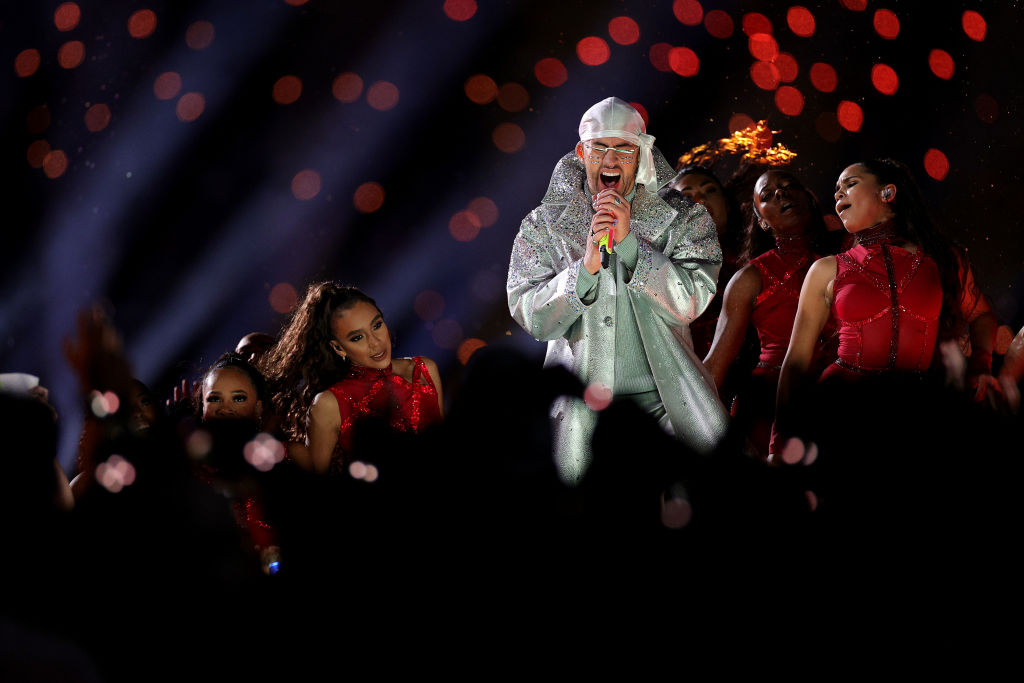
Millions of viewers tuned in to watch Bad Bunny’s halftime show performance at Super Bowl LX, each with their own expectations. Some were on the lookout for political messages or unexpected appearances, while others were curious about whether he was lip syncing during his set. If Bad Bunny had chosen to lip sync, he wouldn’t have been the first performer to do so. Many artists opt for this method to ensure a smooth and polished performance, especially during high-stakes events.
Lip syncing can sometimes be obvious, like when the singer’s mouth doesn’t match the lyrics. However, it can also be more subtle, making it challenging to detect. Here are some ways to identify if someone is lip syncing:
Signs to Look For
One of the most noticeable indicators is the movement of the microphone. If it moves closer and further away from the performer’s face, but the voice remains constant, it could be a sign of lip syncing. In live performances, the volume of the singer's voice should vary depending on the microphone's position.
Another clue lies in the performer’s vocal cords. Experts suggest looking for signs of strain in the throat when a singer is belting out notes with vibrato. If they're giving their all, you might see visible signs that their vocal cords are working hard.
Choreography can also offer hints. If a performer is moving around the stage intensely but shows no signs of fatigue, it may indicate that they are lip syncing. This mismatch between physical effort and vocal output can be a strong indicator.
Real-World Examples
Looking back at previous Super Bowl performances provides insight into how lip syncing can occur. For instance, during the 2020 halftime show featuring Shakira and Jennifer Lopez, some viewers noticed that Shakira’s voice remained steady despite her energetic dance moves. Additionally, when she moved the microphone around, the volume stayed consistent, suggesting pre-recorded vocals.
Bad Bunny’s performance of “I Like It” during the same event had a slightly different feel. His rendition showed small variations from the pre-recorded version, which might have indicated a mix of live and recorded elements.
The Debate Around Lip Syncing
Experts argue that lip syncing doesn't necessarily mean a poor performance. In fact, it can be a strategic choice to ensure a flawless show. Rickey Minor, who has produced multiple Super Bowl performances, once told the Associated Press that there are too many variables to go live. He emphasized that even a minor glitch could ruin a performance.
Artists like Katy Perry have admitted to using pre-recorded tracks for their performances. Before her 2015 Super Bowl set, she mentioned that much of her performance would be live. On the other hand, the Red Hot Chili Peppers took a different approach in 2014 by performing live but using pre-recorded instrumentals. Their guitars weren’t even plugged in on stage, as reported by CNN.
Beyoncé famously performed live during her 2013 Super Bowl appearance. However, she did admit to lip syncing just a few weeks earlier during another high-profile event: the national anthem at President Obama’s inauguration. Whitney Houston also lip synced during her 1991 Super Bowl performance, though not during the halftime show. Her rendition of the National Anthem was pre-recorded and is often regarded as one of the best ever.
Conclusion
Lip syncing is a common practice in high-profile performances, and it doesn’t always detract from the quality of the show. Whether performers choose to sing live or use pre-recorded tracks, the goal is often to deliver a memorable and polished performance. As technology continues to evolve, the line between live and recorded performances becomes increasingly blurred, making it more challenging for audiences to tell the difference.


