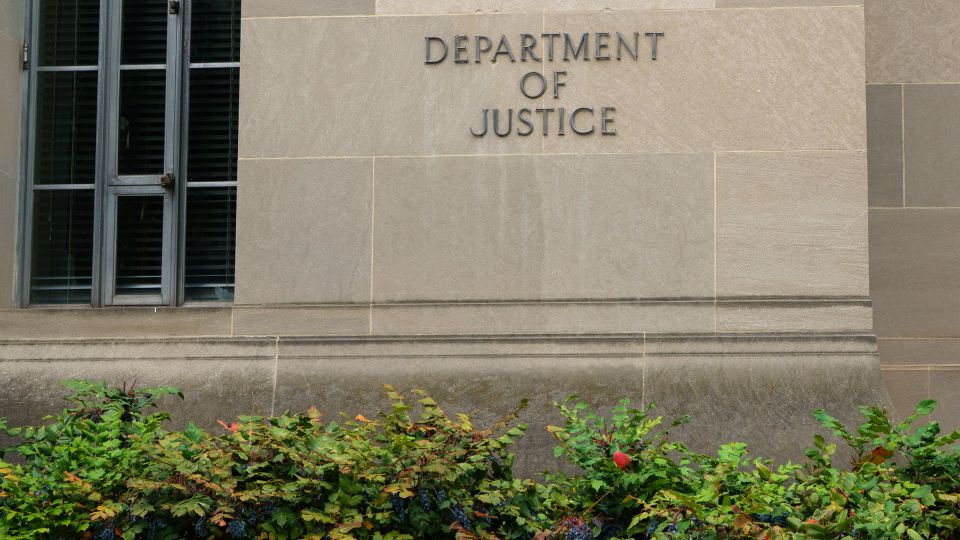
Republican election officials resist Trump DOJ's voter roll push
The Trump Administration's Push for Voter Data and the Resistance from Republican Officials
The Trump administration has taken a bold step in its ongoing efforts to influence state election processes by suing 25 mostly Democratic state election officials for their voter rolls. However, this move has also sparked quiet resistance from some Republican officials who have refused to comply with the Justice Department’s (DOJ) requests for confidential voter registration information.
At least half a dozen Republican-led state election offices have declined the DOJ’s request for non-public voter data, which can include sensitive information such as a voter’s Social Security number, driver license ID, or current residence. This refusal is based on concerns about privacy and state laws that protect the confidentiality of such data.
West Virginia Secretary of State Kris Warner expressed his stance clearly, stating, “They can have the voter rolls. They’re gonna pay for it like everybody else.” He emphasized that while the public list can be purchased for $500, the personal information would not be shared.
Several other Republican election administrators have provided the sensitive data but refused to sign an agreement proposed by the Trump administration that would require them to remove voters deemed ineligible by the DOJ. These officials raised concerns about the administration’s approach, even though they align with the president on other election security matters.
Their main issues included the conflict between the DOJ’s requests and state laws prohibiting the disclosure of sensitive voter information. They questioned the reasons for the data requests and bristled at the idea of the federal government leading the task of removing ineligible voters from the rolls.
The DOJ declined to comment on these matters, but the push for voter data is part of a broader strategy by the Trump administration to insert itself more directly into election-related tasks carried out by states.
Concerns Over the Intentions Behind the Data Requests
Election officials have pointed to state privacy laws as a reason for their reluctance to turn over personal information. Oklahoma State Election Board Secretary Paul Ziriax stated in a letter to the Department, “If we could legally comply, we would promptly do so.” Some judges have already rejected DOJ arguments that federal laws trump state privacy protections.
Missouri Secretary of State Denny Hoskins cited state privacy laws when he told his legislature this month that he did not intend to produce the data absent a court order.
Alongside the legal questions about whether the department is entitled to the data are questions about its stated intentions for obtaining it. Assistant Attorney General Harmeet Dhillon, who has been spearheading the data demands, has dismissed concerns about the confidentiality of the data, suggesting that it is routine for people to share such information.
Dhillon hinted at more lawsuits against recalcitrant states, although no new cases have been filed since December. This has led to doubts among election officials about the DOJ’s true intentions.
The 45-Day Removal Requirement and Other Concerns
One of the biggest sticking points was a requirement in an agreement the DOJ proposed to govern the data production that would give states just 45 days to fix issues the administration identified in their voter rolls. Mississippi Secretary of State Michael Watson, who handed over the data but refused to sign the agreement, emphasized that maintaining voter rolls should be done on the state level.
“You can’t expect to send me a 45-day window to get this done or else,” Watson said, noting that in Mississippi, removals aren’t done by state officials but by county clerks.
Other election officials were wary that the administration might use the data for other purposes and have wondered whether the stated goal — compliance with the National Voter Registration Act mandate of “reasonable efforts” to remove voters who have died or moved — is just a pretext.
Behind the Scenes Arm-Twisting
Initially, state officials received letters from the Justice Department seeking information last spring and summer about their list maintenance practices and data from their rolls. Many provided the publicly available information, but as summer turned into fall, follow-up letters made clear that the department was demanding the confidential data as well.
When the letters landed in election office inboxes in December, the DOJ gave states just seven days to respond and followed up with both emails and phone calls. If no response was received by the end of the day, the DOJ would take that as a refusal to comply.
As it was ramping up pressure on Republicans, the Justice Department was rolling out new rounds of lawsuits against Democratic state officials for noncompliance. Only two states — Alaska and Texas — have signed the memorandum, according to DOJ correspondence obtained by various sources.