Food Firms Fall as Executives Sound Alarm on Consumer Stress
Food Industry Faces Challenges Amid Consumer Weakness
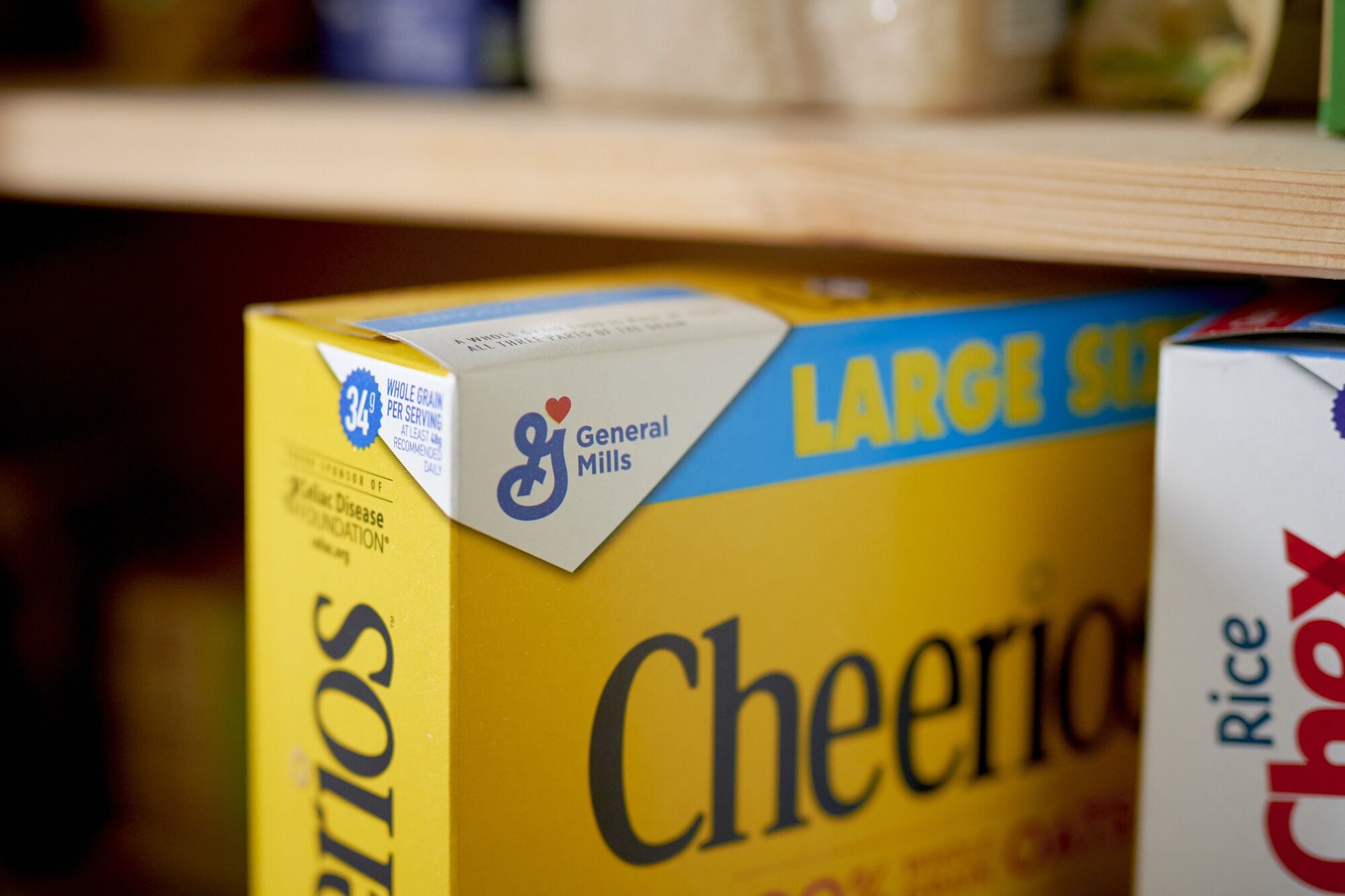
Food companies experienced significant declines on Tuesday as executives highlighted ongoing challenges stemming from persistent consumer weakness and concerns over pricing. The market reaction was particularly notable for General Mills Inc., whose shares dropped 7% — the largest decline since May 2022 — following the company's revised sales outlook for fiscal 2026. Over the past year, the stock had already lost 22% of its value.
General Mills, known for products like Cheerios, now anticipates a decrease in organic net sales ranging from 1.5% to 2%, which is worse than its previous forecast of a 1% decline to 1% growth. CEO Jeff Harmening attributed this downturn to weaker performance in cereal, snacks, and dog food, which have been hit hardest by economic pressures. He cited factors such as higher inflation, reduced food aid benefits, and geopolitical uncertainty as key contributors to "significant consumer stress, especially for middle- and lower-income groups."
The impact of General Mills' announcement extended beyond its own stock, causing broad-based declines across the packaged food sector. The S&P 1500 Packaged Foods & Meat Index fell by 3.6%, with 19 out of 22 index members ending the day in negative territory.
Economic Pressures and Shifting Consumer Preferences
The U.S. consumer remains under financial strain, prompting some food companies to implement price cuts or offer more varied package sizes. These strategies allow companies to sell smaller, more affordable options while maintaining revenue. Additionally, shifting consumer preferences are driving demand for less processed foods, a trend that has been reinforced by warnings from the Trump administration regarding the consumption of packaged goods.
CAGNY 2025, a major industry conference, was described as one of the most pessimistic for the packaged food group in recent years. Analysts at BNP Paribas noted that the sector is still dealing with several headwinds, including a prolonged recovery in sales volume. Max Gumport, an analyst at BNP Paribas, suggested that CAGNY 2026 may not bring much relief for food companies.
Other challenges include the growing use of GLP-1 drugs, which could affect consumer behavior, and increased competition from newer, disruptive brands. These factors, combined with ongoing consumer financial stress, are creating a difficult environment for traditional food companies.
Strategic Adjustments and Market Responses
In response to weak consumer sentiment, General Mills announced in December that it had lowered prices across approximately two-thirds of its North American retail business. Dana McNabb, group president of North America retail at General Mills, noted that these price reductions led to an eight percentage point increase in volume. The company is targeting specific price points that deter consumers from purchasing products, ensuring that prices remain below those thresholds.
Additionally, General Mills is removing about 20% of its least productive products from the market. This move is part of broader efforts to streamline operations and focus on more profitable offerings.
The company’s adjusted operating profit and adjusted diluted earnings per share are now expected to decline by as much as 20% in constant currency, compared to previous guidance of up to a 15% decline.
Consumer Behavior and Snack Trends
Mondelez International Inc. CEO Dirk Van de Put also addressed the challenges faced by the food industry during the conference. He noted that U.S. households are buying snacks slightly less frequently due to high prices and stagnant disposable income. Consumers are also showing unease with current average price levels.
To adapt, Mondelez is expanding its range of smaller, portable packages priced under $3 across additional brands. Van de Put emphasized that despite economic uncertainties, American consumers still enjoy snacking and are looking for ways to incorporate their favorite snacks into their budgets.
Conclusion
The food industry continues to navigate a complex landscape marked by economic pressures, shifting consumer preferences, and competitive challenges. Companies are responding with strategic adjustments, including price reductions, product realignments, and expanded product lines. While these measures aim to mitigate the impact of weak consumer demand, the road to recovery remains uncertain. As the sector faces ongoing headwinds, the ability to adapt and innovate will be crucial for long-term success.


