Do MAGA Latinos Regret Their Support?
The Shift in Latino Voting Patterns
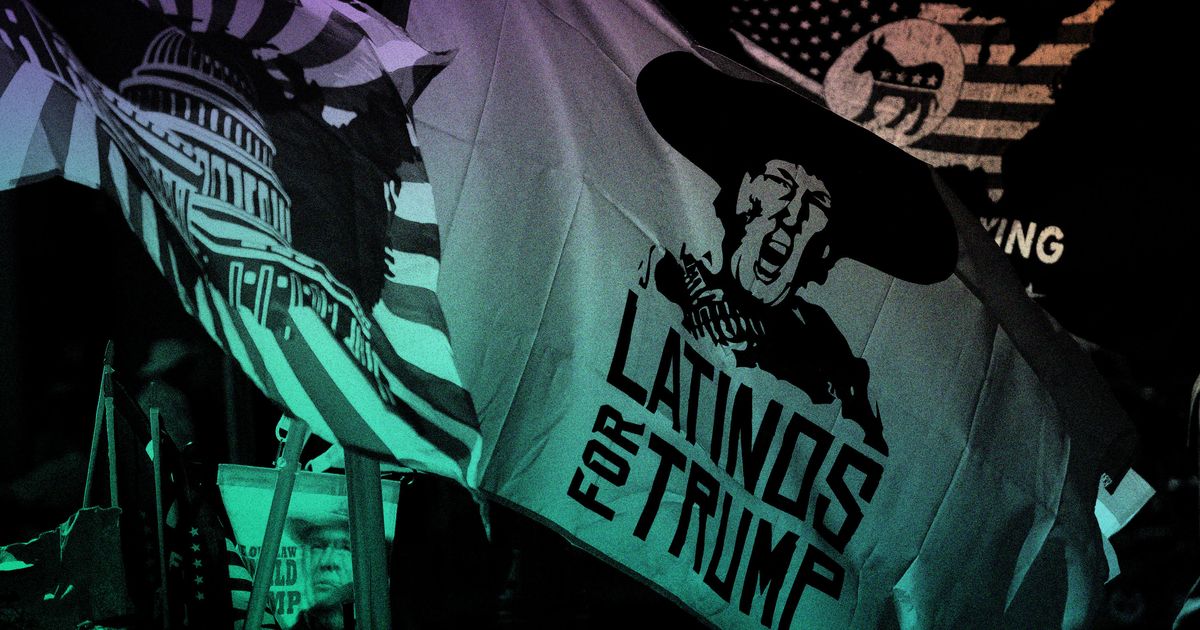
The Latino vote in the United States represents a significant portion of the population, with diverse backgrounds and political ideologies. This group is not a monolith, but it has become a focal point in recent elections. In 2024, Donald Trump made notable gains among Latino voters, securing approximately 48% of their votes according to Pew Research Center data. This marked a substantial increase from 36% in 2020 and 28% in 2016. Cities and states with large Latino populations saw a shift toward the right, driven by dissatisfaction with inflation during Biden's presidency and a growing support for Trump’s hardline stance on immigration.
However, as Trump's second term progresses, his popularity among Latino voters has waned. Polls show that his approval ratings have dropped, particularly due to concerns over economic management and aggressive deportation policies. Recent elections have provided Democrats with some hope that they may be regaining ground in areas with high Latino populations.
Jack Herrera, a freelance reporter focusing on immigrant communities and the Southern border, shared insights into how these shifts are playing out. He noted that while the initial shift to Trump was significant, it may not be as deep or lasting as it appeared. Inflation, which had a major impact on voter sentiment, has slowed but remains a concern for many.
Economic Concerns and Voter Behavior
Herrera emphasized that many Latino voters are pragmatic and will hold leaders accountable if their economic conditions do not improve. This means that even if Democrats perform well in midterms, they cannot take Latino voters for granted. The idea that Latinos would consistently vote Democrat is a misconception, as their voting behavior is more fluid and influenced by economic factors.
Comparing the Latino electorate to African-Americans, Herrera pointed out that Latinos have historically been a swing voting group. While there have been periods where Democrats gained significant support, such as after 2008, the overall trend has been more balanced. George W. Bush's success with Latino voters in the early 2000s highlights this volatility.
Ideological Alignment and Realistic Expectations
When it comes to ideological alignment, Herrera noted that many Latino voters prioritize economic issues over party platforms. They often evaluate candidates based on tangible outcomes rather than rhetoric. For example, Vicenta Lira, a school janitor in Iowa, expressed frustration with Democratic promises that did not translate into real improvements for working-class people.
This earned skepticism is rooted in the gap between what parties promise and what they deliver. Voters look at the results of policies when in power, not just the speeches. This dynamic makes it challenging for any party to secure long-term loyalty from Latino voters.
Post-2024 Perspectives
Herrera also discussed his conversations with former Trump supporters. While none expressed strong regret about their choice, many were indifferent about Trump's performance. Some indicated that they were not paying close attention to his actions, as the next presidential election was still several years away. This reflects a broader trend where working-class voters, often burdened by demanding jobs, have limited time to follow political developments.
Political scientists suggest that people tend to affirm their past decisions, which explains the lack of enthusiasm among former Trump supporters. If Trump had delivered on his promises, there might be more visible support. However, the current situation shows a mix of apathy and cautious optimism.
Immigration Policies and Public Perception
Immigration remains a complex issue for Latino voters. While Trump's administration has implemented harsh deportation policies, these have not resonated well with many. Herrera noted that previous administrations, both Republican and Democratic, have maintained similar levels of enforcement, leading to a perception that there is little difference between the parties on this issue.
However, the nature of enforcement has changed, with more interior raids and aggressive tactics. These changes could influence future voting patterns, as voters may prefer a party that offers a different approach to immigration.
Rebuilding Trust with Latino Voters
For Democrats, rebuilding trust with Latino voters requires more than just addressing economic concerns. Herrera suggested that the focus should be on recognizing the broader cost of living crisis and developing comprehensive policies to address it. Candidates like Mamdani have shown success by emphasizing these issues in their campaigns.
Trump's appeal in 2024 was rooted in his ability to present bold solutions, even if they were unrealistic. This contrast with the perceived lack of action from Democrats highlights the need for a more effective messaging strategy.
Cultural Influence and Political Impact
Cultural events, such as Bad Bunny's Super Bowl performance, have sparked debates and highlighted the growing influence of Latino culture. While some conservative figures criticized the event, Herrera argued that it reflected the economic power of the Latino community. The NFL's decision to feature Bad Bunny underscores the importance of this demographic in the U.S. market.
This cultural shift also signals a broader change in political dynamics, as the growing influence of Latinos challenges traditional power structures. Despite this, the political landscape remains divided, with the GOP facing internal conflicts over its direction.
Conclusion
The shifting dynamics of Latino voting patterns reveal a complex interplay of economic, cultural, and ideological factors. As the political landscape evolves, both parties must adapt to the realities of this influential demographic. The challenge lies in addressing the concerns of Latino voters while navigating the broader political currents that shape their choices.


