Democrats Offer Trump DHS Funding Counteroffer Amid Ongoing Agency Shutdown
Ongoing Negotiations Over DHS Funding
Congressional Democrats have presented a counteroffer to the White House and Republicans in an effort to reopen the Department of Homeland Security (DHS). The move comes as negotiations continue over funding for the agency, which shut down early Saturday morning after two weeks of stopgap funding expired.
The Democratic proposal centers on imposing stricter regulations on immigration enforcement agents in exchange for financial support. This approach has sparked intense debate between Democrats and Republicans, with each side pushing for different measures that reflect their priorities regarding immigration policy.
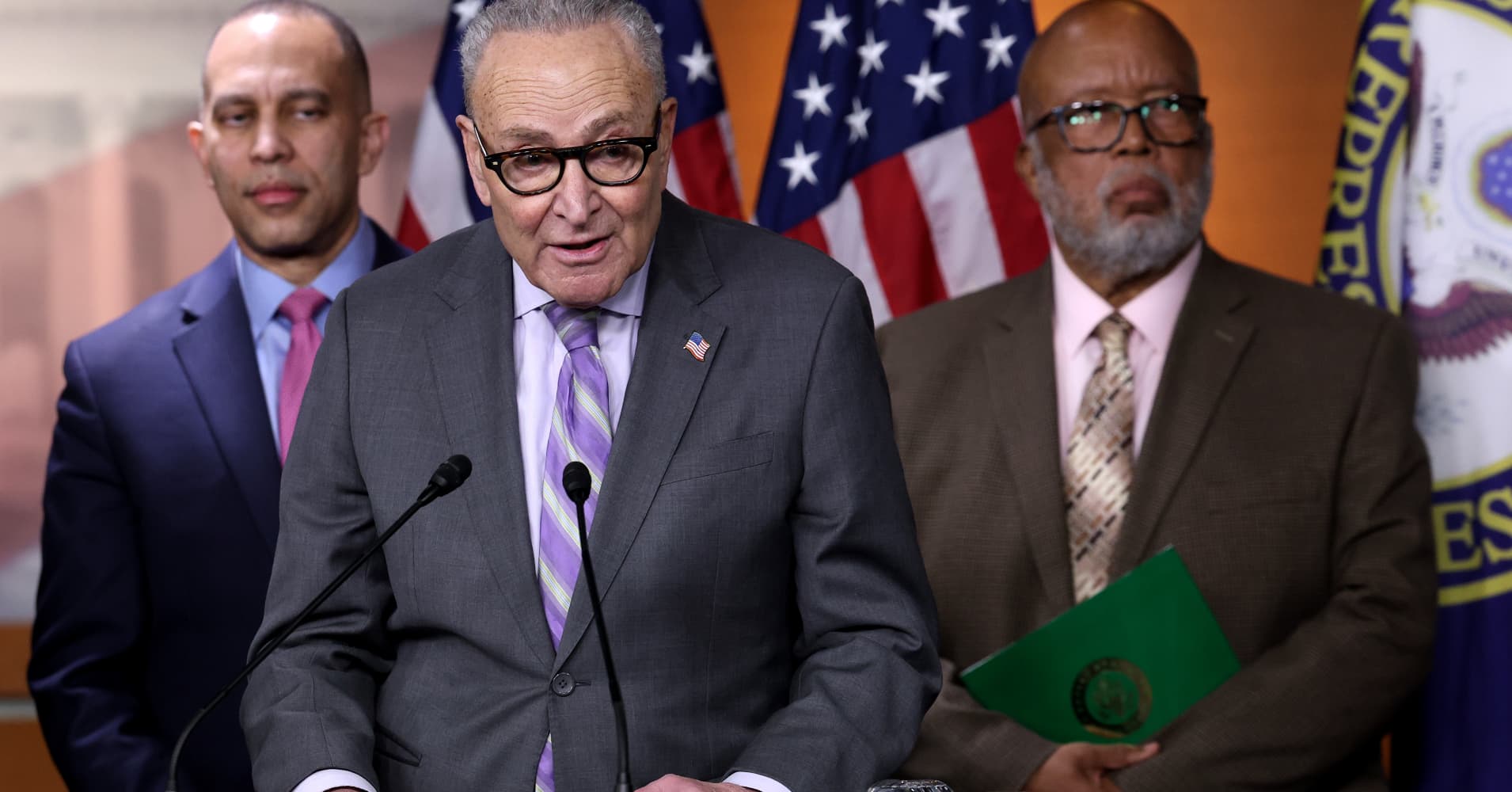
Senate Minority Leader Chuck Schumer, a Democrat from New York, confirmed the counteroffer in a statement released Monday night. He emphasized that Democrats are engaged in discussions with President Donald Trump and congressional Republicans about implementing new restrictions on federal immigration agents. These discussions are taking place against the backdrop of heightened tensions following recent events involving immigration enforcement.
A significant factor in the current standoff is the incident in Minnesota, where federal immigration agents shot and killed two U.S. citizens during an immigration surge. In response, Democrats demanded that funding for DHS be removed from a broader spending package that includes other agencies. They also pushed for negotiations focused specifically on immigration enforcement practices.
The Trump administration has since announced plans to wind down the Minneapolis operation. However, the details of the Democratic counteroffer remain undisclosed, as Schumer’s office did not provide further information when contacted for comment.
Key Democratic Priorities
Democrats have outlined several key demands as part of their proposal. These include:
- A ban on agents wearing masks while performing their duties
- Mandatory body cameras for all agents
- A requirement for judicial warrants before immigration arrests
- An end to "roving patrols" by immigration enforcement officers
These proposals aim to increase transparency and accountability within immigration enforcement. However, the White House and Republicans have expressed opposition to some of these measures, particularly the mask ban and the requirement for judicial warrants.
The White House previously submitted an initial counteroffer to the Democratic proposal last week, but Democrats rejected it, arguing that it failed to address their concerns adequately. With the current political climate, Democrats may have less incentive to compromise, especially given the limited impact of the shutdown and recent public opinion polls indicating that many Americans believe Trump's immigration policies have gone too far.
Political Implications
Jared Leopold, a Democratic strategist who has worked on Capitol Hill and for the Democratic Senate Campaign Committee, noted the shifting dynamics in immigration politics. He stated, "Built into this is the substantially changing politics of immigration. I think Republicans are still acting like they hold a straight flush on immigration, but they clearly are only holding a pair of threes."
Despite the shutdown, many DHS employees are still working, as parts of the agency are considered essential. Additionally, some operations are funded through last year's major tax and spending bill. However, if the shutdown continues for an extended period, essential employees may face unpaid work, including those at subagencies such as the Transportation Security Administration, Coast Guard, and Federal Emergency Management Agency.
In contrast, immigration enforcement operations at Immigration and Customs Enforcement and Customs and Border Patrol are largely unaffected by the shutdown. Congressional Republicans have allocated hundreds of billions of dollars to the agency's law enforcement apparatus as part of the party-line "One Big Beautiful Bill" law.
The rest of the government remains funded through September 30. As negotiations continue, the outcome of these discussions could have significant implications for immigration policy and the functioning of the federal government.


