Auburn, Georgia, and Alabama Face Tradition-Shattering News
The Evolution of College Sports and the Shift Toward Commercialization
College sports have always been a unique blend of tradition, competition, and community. However, in recent years, the landscape has changed dramatically, especially with the rise of commercialization. The integration of advertising on jerseys is one of the most controversial developments, particularly among long-standing fanbases like those of the Auburn Tigers, Georgia Bulldogs, and Alabama Crimson Tide.
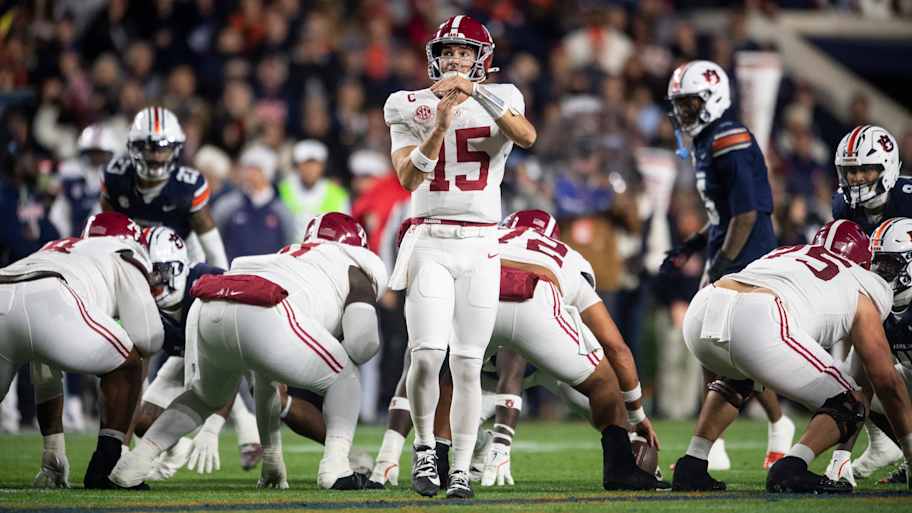
According to Lauren Beasley from College Sports Wire, these fanbases are known for their deep connection to the traditions of their respective programs. For many fans, the uniforms represent more than just clothing—they are symbols of heritage, pride, and continuity. The introduction of corporate branding on jerseys could challenge this sentiment, sparking debates about what it means to be a fan of a college team.
The New Era of Advertising in College Football
The trend of placing advertisements on jerseys is gaining momentum. LSU recently announced that Woodside Energy will have a patch on their jerseys starting during the 2026-27 athletic calendar. Similarly, South Carolina is expected to announce its own jersey patches with Blanchard CAT and Blanchard Rental. These moves signal a shift toward a new revenue model that mirrors the strategies used in professional sports.
As Beasley points out, the move is not just about generating additional income—it's about aligning college football with the broader trends seen in other major sports leagues. The expansion of television deals, on-field advertising, and now jersey branding all point to a future where commercialization plays an even greater role.
- This shift raises important questions about the identity of college sports. While some may argue that the financial benefits are necessary for sustaining programs, others worry that the essence of what makes college football special is being lost.
The Debate Over Tradition vs. Profit
For many fans, the idea of seeing corporate logos on their favorite teams' jerseys is unsettling. It represents a departure from the values that have long defined college athletics. Uniforms have traditionally been a way for fans to connect with the history and legacy of their teams. When companies start taking up space on those uniforms, it can feel like a betrayal of that tradition.
- Fans often express frustration over the growing presence of commercialism in sports. They argue that the focus should remain on the athletes and the games themselves, rather than on the businesses that profit from them.
This tension between tradition and profit is likely to become more pronounced as more schools adopt similar sponsorship models. The question is no longer whether commercialization will continue—it's how far it will go and what it will mean for the future of college sports.
The Impact on Fan Experience
One of the most significant concerns is how this shift will affect the fan experience. College football has always been a form of escapism for many people. It offers a chance to forget about the stresses of daily life and immerse themselves in the excitement of the game.
However, with the addition of advertisements on jerseys, that sense of escape may be diminished. Fans may find themselves reminded of their work responsibilities or the pressures of everyday life, rather than the joy of watching their favorite teams compete.
- This change could also impact the relationship between fans and the athletes they support. If the focus shifts too much toward commercial interests, it may become harder for fans to connect with the players and the spirit of the sport.
The Road Ahead
As college sports continue to evolve, it's clear that the influence of commercialization will only grow. The SEC and other Power 4 conferences are likely to follow the lead of schools like LSU and South Carolina, adopting similar sponsorship models in the coming years.
While some may see this as a natural progression, others fear that it will erode the very foundations of what makes college sports special. The challenge will be finding a balance between generating revenue and preserving the traditions that have made college football so beloved.
In the end, the question remains: Will college sports remain a place of passion and pride, or will it become another arena for corporate interests? Only time will tell.


