A Government Shutdown Looms for Homeland Security: What It Means
Understanding the Potential Impact of a DHS Funding Lapse
The Department of Homeland Security (DHS) is currently at risk of being affected by a partial government shutdown if Congress fails to fund the agency by the end of the week. However, despite this potential disruption, most DHS employees would likely continue working — even if they wouldn’t receive pay until the funding lapse ends. The public might not even notice significant changes in daily operations.
As of now, DHS is the only federal agency without funding for the remainder of fiscal year 2026, which concludes on September 30. Since the record-long shutdown ended in mid-November, lawmakers have passed several spending bills for other parts of the government. The latest package, approved at the end of January, only provided funding for DHS for two weeks, giving Congress more time to negotiate reforms in the agency’s immigration enforcement operations. This move came after Senate Democrats demanded changes following the fatal shooting of two U.S. citizens by federal immigration agents in Minneapolis in January.
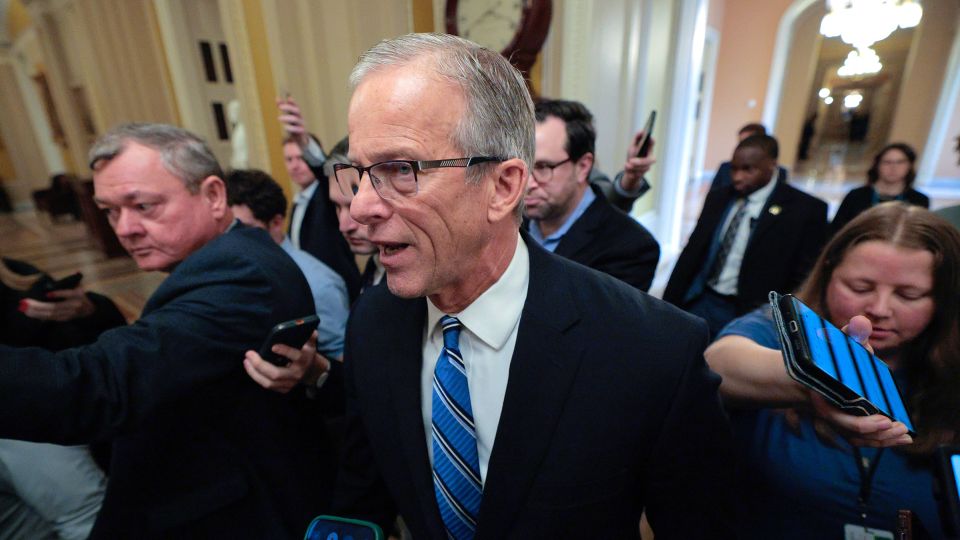
The White House has made an offer that Democrats are currently reviewing, but it remains uncertain whether a deal can be reached before DHS’ funding expires. Senate Majority Leader John Thune has indicated that another short-term funding bill, known as a continuing resolution, may be necessary to keep critical parts of DHS operational. Meanwhile, Senate Minority Leader Chuck Schumer has yet to outline how Democrats plan to proceed.
The Debate Over DHS Funding
The debate over funding DHS centers around the recent shooting deaths of Alex Pretti and Renee Nicole Good by DHS immigration agents during protests in Minneapolis. These events sparked widespread public outcry and led Senate Democrats to demand reforms in exchange for their support of a funding package for other federal departments.
Democrats have proposed restrictions on roving patrols, tighter parameters for warrants, stricter use-of-force policies, and the requirement for body cameras and the removal of masks for ICE agents. Republicans, however, have resisted most of these proposals and have pushed for concessions from Democrats, such as cracking down on so-called sanctuary cities.
Impact on Air Travel and Airport Security
One major concern during a government shutdown is the impact on air travel, particularly due to staffing issues among air traffic controllers. However, in this case, the situation is different because air traffic controllers are part of the Department of Transportation’s Federal Aviation Administration, which has already received funding for the rest of the fiscal year.
That said, longer lines at airport security checkpoints could become an issue if the shutdown lasts for an extended period. Transportation Security Administration (TSA) workers, who fall under DHS, would be required to work without pay. This has been observed in previous shutdowns as employee absences increase over time.
Continued Operations of ICE and CBP
Despite the potential funding lapse, it is unlikely that Democrats would be able to significantly restrict the activities of Immigration and Customs Enforcement (ICE) or U.S. Customs and Border Protection (CBP). Even during a shutdown, ICE would continue its main functions, according to multiple congressional aides.
According to the agency’s September shutdown plan, more than 90% of DHS’ 272,000 employees would continue working during a funding lapse. More than 93% of ICE and CBP workers would also remain on the job. Only about 44,500 staff members would continue to be paid through other appropriations, though DHS Secretary Kristi Noem has stated that 70,000 law enforcement personnel, including those in CBP, ICE, and other divisions, would still receive their paychecks.
DHS has additional resources, including a $165 billion infusion from last summer’s One Big Beautiful Bill Act, which allocated $75 billion to ICE and $64 billion to CBP. This allows the agency to maintain operations through the use of funds from other sources.
Effects on Other DHS Agencies
DHS is a vast agency that includes not only ICE and CBP but also the Federal Emergency Management Agency (FEMA), Coast Guard, Secret Service, and other divisions. Most of the agency’s workforce is focused on protecting life and property, making them essential during a funding lapse.
Activities that would continue include law enforcement operations related to immigration and drug trafficking, passenger processing and cargo inspections at ports of entry, Disaster Relief Fund activities, and Secret Service functions. Rachel Snyderman, managing director of the economic policy program at the Bipartisan Policy Center, noted that while the impacts would likely be minimal initially, prolonged shutdowns could lead to staff attrition.
FEMA’s Disaster Relief Fund appears to be well-funded, with nearly $31 billion available at the start of the year. The agency typically spends $500 million to $1 billion per month, barring any major disasters.
Impact on Other Government Agencies
Other areas of the federal government, including national parks and the Internal Revenue Service (IRS), would remain open since they have already been funded for the rest of the fiscal year. This means that the majority of government services would continue uninterrupted, even if DHS faces a funding lapse.
Aileen Graef, Manu Raju, and Lauren Fox contributed to this report.


