2026 Winter Olympics: US Skaters' Disputed Silver Medal Score
The Decision to Not Appeal
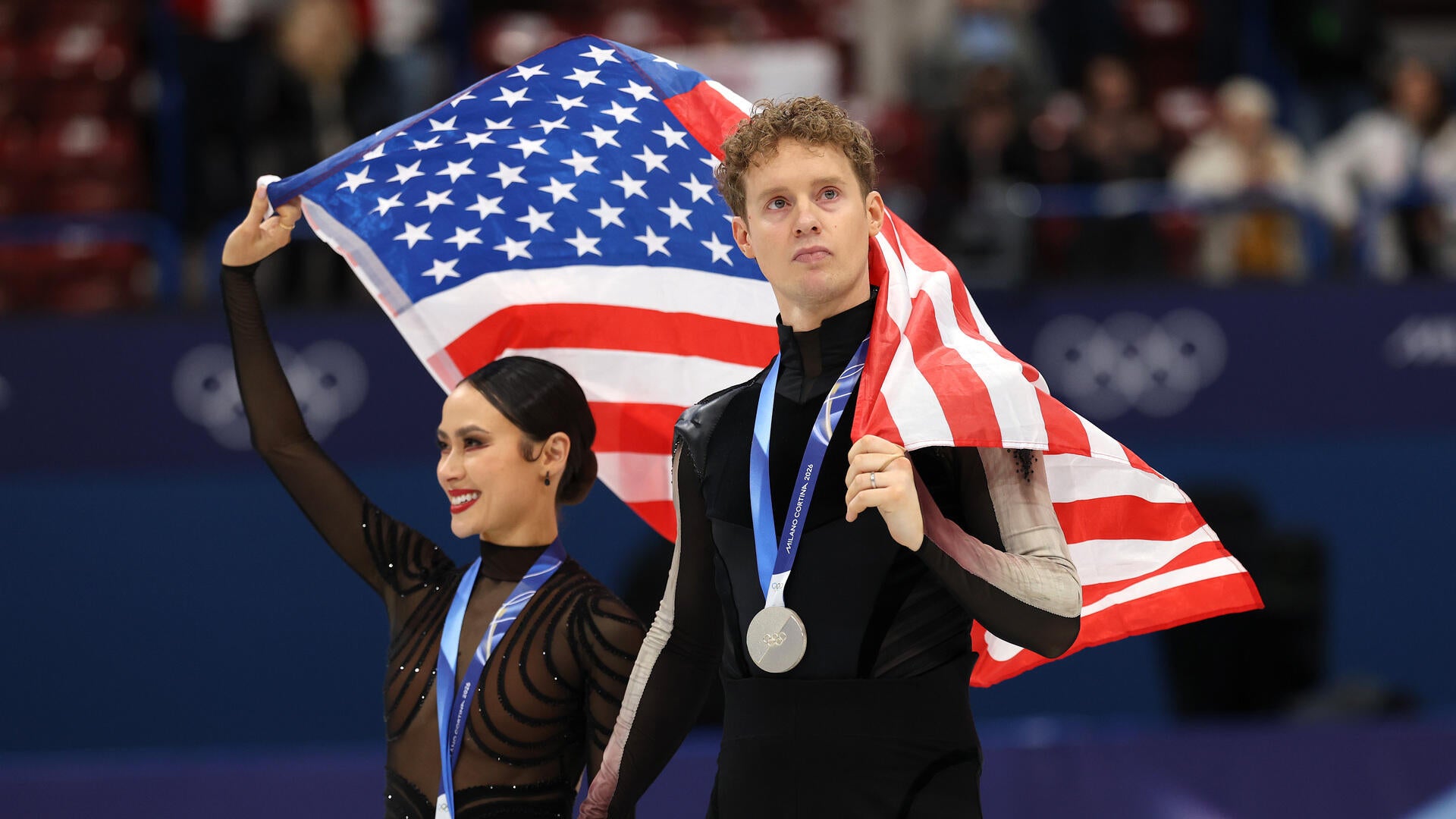
The 24-hour window for appealing the results of the 2026 Winter Olympics ice dance competition has closed, and the United States Figure Skating (USFS) association did not take action. According to a statement provided to USA Today, the organization did not file an inquiry by the February 12 deadline. This decision came after the American pair, Madison Chock and Evan Bates, finished with a silver medal, narrowly missing out on gold.
Close Competition and Public Scrutiny
Chock and Bates placed just 0.43 points behind the French team of Laurence Fournier Beaudry and Guillaume Cizeron in the ice dance event. Their performance drew significant public attention, particularly due to the judges' scores. While the American pair trailed the French team after the rhythm dance, they managed to earn higher scores from five of nine judges during the free dance. However, this was not enough to overtake their competitors.
French judge Jezabel Dabouis awarded the French team a score that was more than seven points higher than what she gave to Chock and Bates. This discrepancy sparked concerns about potential bias, especially given that Dabouis was judging her home country's team. Her score for the Americans was the lowest among all judges, while her score for the French team was the highest.
Reactions and Future Plans
In response to the controversy, USFS CEO Matt Farrell shared his thoughts with USA Today. He acknowledged the thoughtful and emotional discussions surrounding the ice dance competition in Milan. Farrell emphasized that the organization would work closely with Chock and Bates to support them and the future of the sport. For now, he expressed plans to join them in supporting the success of U.S. Figure Skating in Milan.
Dabouis scored Chock and Bates at 129.74 points for their routine, while she awarded Beaudry and Cizeron 137.45 points. This difference was the largest among any judge and highlighted the challenges of the scoring system. Despite the controversy, the International Skating Union (ISU) defended the judges’ decisions, stating that variations in scores are normal and that mechanisms are in place to mitigate such differences.
The Impact on the Athletes
Chock and Bates earned their first Olympic ice dance medal, but they were strong favorites to win gold, especially considering they entered the free dance in a position to challenge for the top spot. They had already secured a gold medal in the team event earlier in the Games. Chock expressed disappointment with the controversial scoring that prevented him from earning a third career Olympic gold medal.
In an interview with CBS News, Chock called for greater transparency in the judging process. He believes it would be beneficial for viewers to have a clearer understanding of how the scores are determined. Additionally, he emphasized the importance of ensuring that judges are properly vetted and perform at their best. For the skaters, the stakes are high when they give their all on the ice, and they deserve a fair and even playing field.
Looking Ahead
While the decision not to appeal the results may have been difficult, it is clear that the focus now shifts toward supporting the athletes and improving the sport’s judging system. The experience of Chock and Bates highlights the need for ongoing dialogue and reform to ensure fairness and clarity in competitive figure skating. As the sport continues to evolve, the lessons learned from this competition will play a crucial role in shaping its future.


