Washoe County Restaurant Inspections Begin This Weekend Under Pilot Program
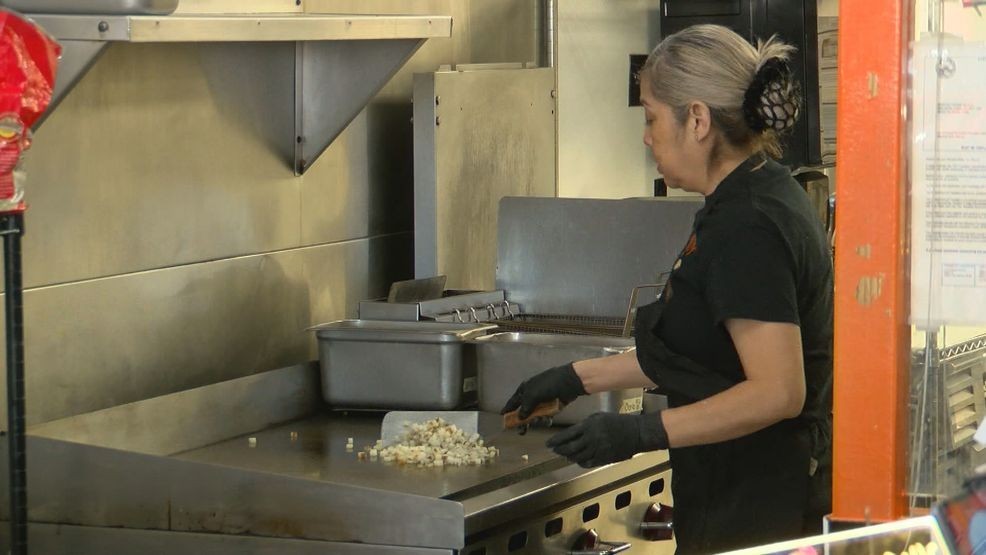
New Inspection Program for Restaurants in Northern Nevada
Northern Nevada Public Health (NNPH) officials are preparing to implement a new pilot program that will change the way restaurant inspections are conducted. Starting this weekend, the agency will begin scheduling annual inspections for certain high-risk establishments, including restaurants, food trucks, and grocery stores. This shift marks a departure from previous unannounced visits, as the new approach aims to improve communication and cooperation between health officials and business owners.
Under the new system, eligible businesses will receive an email notification informing them of an upcoming inspection, which will occur within a 7-day window from the date the email is sent. However, the exact date and time of the inspection within that timeframe will still be a surprise. This change was approved late last year following recommendations from a third-party consultant and is designed to enhance food safety while fostering better relationships with restaurant operators.
The pilot program only applies to regular annual inspections. Any follow-up inspections due to critical violations or those prompted by customer complaints will continue to be unannounced. This distinction ensures that the new process does not compromise the ability of health officials to address urgent issues promptly.
Goals of the New Approach
Amber English, environmental health special supervisor at NNPH, emphasized that the goal of the new program is not to catch restaurant owners making mistakes but to ensure that food remains safe for the public. "Our goal is not to catch anybody doing something wrong, just as much as it isn't a restaurant operator's goal to make anybody sick," she said. "We all have a shared goal of protecting the community through safe food."
English noted that the current food safety program inspects over 4,000 restaurants, grocery stores, and food trucks. Depending on the number of violations found, these establishments can receive a passing grade, a conditional pass, a fail, or an indefinite closure. She added that the focus should be on correcting any issues rather than simply identifying them.
"If a violation or a food safety issue is corrected, that's what we all want," English said. "That's the goal. So it doesn't matter if we're the ones that found that issue and asked for it to be corrected or if the establishment proactively corrected it. Regardless, that issue is corrected and prevents potential illness."
The pilot program is expected to run for approximately two years, after which the NNPH board will review the data collected to determine its effectiveness and decide whether to continue it permanently.
What Restaurant Owners Need to Know
Restaurant owners who are part of the new inspection process will receive an automated email notifying them of the inspection date and time. It is important to note that scheduled inspections cannot be rescheduled. The owner or primary person in charge is encouraged to make every effort to be present during the inspection.
This change applies specifically to 'risk level 3' establishments, which involve complex food preparation processes such as cooking foods, handling raw ingredients, hot and cold holding of ingredients, and preparing food in advance of service.
Learning More About the New Process
For those interested in learning more about the new inspection process, NNPH is offering two workshops for restaurant owners. These sessions will take place on:
- Wednesday, February 18 from 9:30–10:30 a.m.
- Monday, February 23 from 5–6 p.m.
Both workshops will be held at the NNPH main location, 1001 E. 9th St., Building B, in conference rooms A & B near the main lobby.
Owners who have questions or need further information are encouraged to reach out directly to the NNPH team.


