From Jail to the Deep, a Prison Dive School Transforms Lives
A Unique Program in a Landlocked State
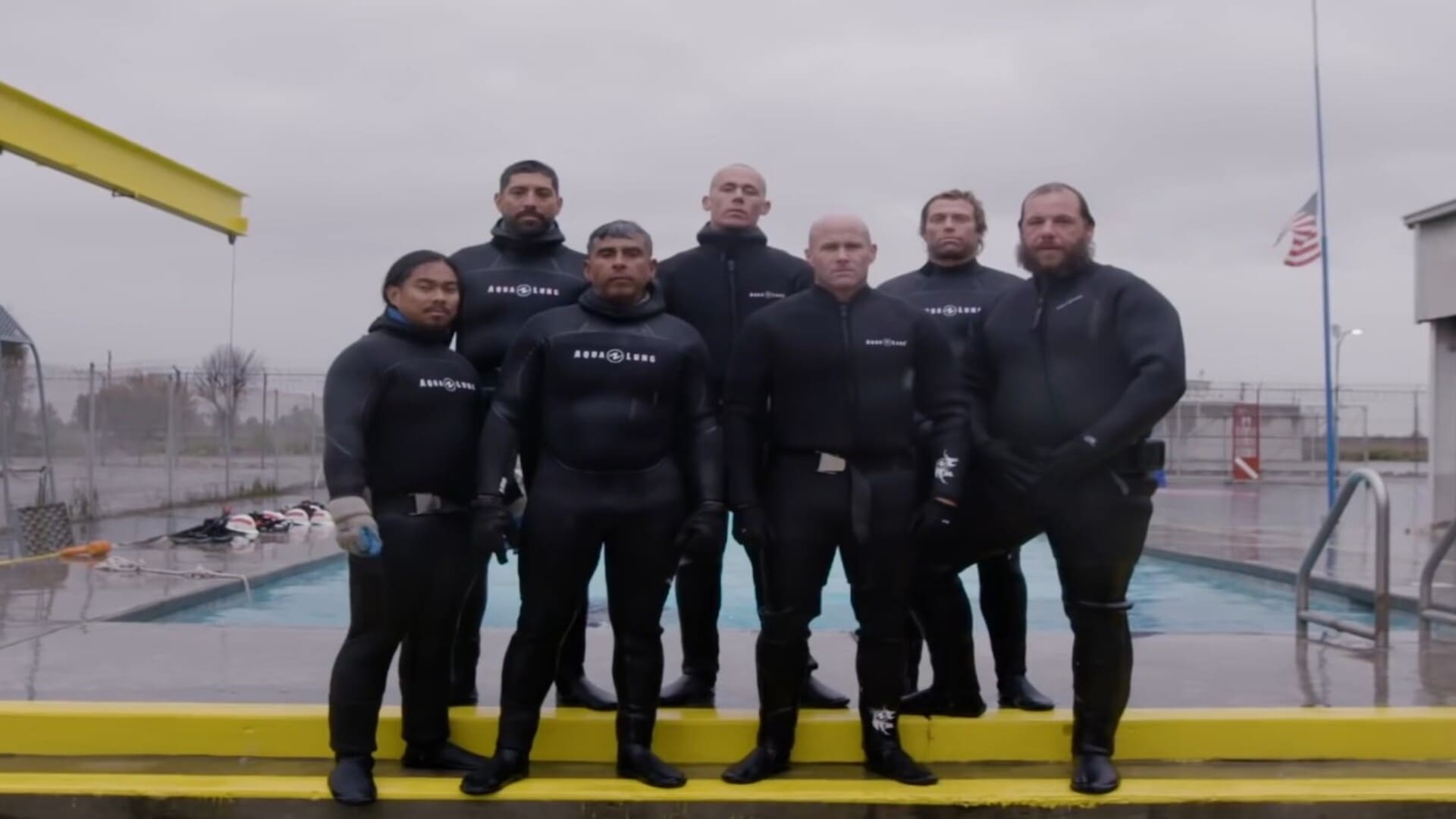
In a remote part of Southern California, far from the ocean, a remarkable transformation is taking place. At the California Institution for Men, incarcerated individuals are being trained to become commercial divers. This might seem like an unusual concept at first, but the Marine Technology Training Center has been operating since 1970, offering an eighteen-month program that prepares inmates for careers in underwater construction and offshore industries.
The program is led by dive instructor Jeff Powers and is run through Calpia, an organization focused on providing vocational training within correctional facilities. The curriculum is designed to be both physically and intellectually demanding. Students begin their day with early morning exercises such as running, calisthenics, and swimming before moving into technical instruction. They study diving physics and physiology, including gas laws and pressure effects, because even small mistakes underwater can have fatal consequences.
Safety, Discipline, and Transformation
Safety is the cornerstone of the program. Every aspect of the training is built around ensuring that students understand the risks and responsibilities of working underwater. The goal is not just to obtain certification but to bring about a complete transformation in the participants' lives. Graduates have gone on to work on oil platforms, ships, and ports across the country, proving that the skills they gain are valuable and applicable in the real world.
According to the program’s statistics, only about six percent of participants return to prison after completing the training, which is a significant contrast to the high recidivism rates often seen in the criminal justice system. For many students, the motivation behind joining the program is deeply personal. One participant shared that he wants to move beyond being just an inmate number and prove to himself and others that he is capable of more than his past mistakes.
Building Trust and Professionalism
The discipline required in diving demands accountability, precision, and trust—qualities that extend far beyond the pool. Instructors emphasize that strong bodies must be matched by sharp minds. By treating trainees as future professionals rather than permanent offenders, the program offers something rare inside prison walls: purpose, skill, and a realistic pathway toward stable employment after release.
Former participants often credit the dive school with reshaping their futures. One graduate, who was incarcerated for nearly thirteen years, said the training gave him a final chance to rebuild his life. He has now been free for over six years and attributes his steady employment to the skills and confidence developed in the program.
Real-World Skills and Lasting Impact
Commercial diving is a demanding and competitive field, but it rewards discipline and teamwork—traits reinforced daily in the training center. Underwater projects can mean life or death, so students learn to rely completely on one another. That reliance builds camaraderie that many describe as transformative.
The curriculum mirrors professional standards outside of prison, ensuring that graduates can transition directly into industry roles. Instructors stress that without marketable work and life skills, many individuals would fall back into previous patterns. By offering structured opportunity, the program interrupts that cycle.
Broader Benefits for Communities
The impact of the program extends beyond employment statistics. Families regain fathers, sons, and partners who carry new confidence and responsibility. Communities benefit from skilled workers who contribute to essential industries. For instructors like Jeff Powers, the fulfillment comes from watching men step out of prison with something tangible to offer the world.
In a place typically associated with punishment, the dive school stands as a counterexample, proving that rehabilitation can be practical and measurable. Teaching underwater safety in the middle of California may seem unusual, but its outcomes are clear. When given rigorous training and trust, individuals often rise to meet the standard.
From Cellblock to Seafloor
The journey from cellblock to seafloor demonstrates how structured education can turn confinement into a launch point for lasting change. Through this program, incarcerated individuals are not just learning a trade—they are gaining the tools to build a better future.


